
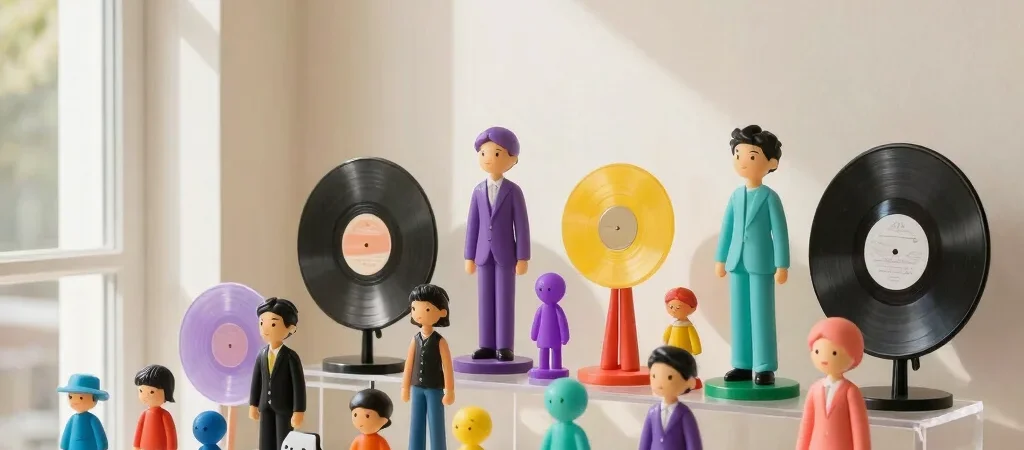
A row of figures can look great in person and still tell a stranger very little in a photo. Is this a character-focused shelf, a full franchise run, or a collection built around one memorable convention find? Give viewers a small piece of that story and the display becomes easier to explore.
Give The Display A Point
Choose one organizing idea before you arrange the shot: a franchise, a series, a favorite character, or a mix of figures and other objects from geek culture. That focus helps decide what belongs in the frame and what can stay on the next shelf. It also gives your collection showcase a natural opening line.
Try grouping figures by height or color only when it supports the story you want to tell. Keep distinctive details visible, and avoid stacking boxes where important packaging information disappears. A slightly asymmetrical arrangement can feel personal without making the display hard to read.
Photograph Details With Care
Daylight near a window often makes a practical starting point, but watch for reflections on clear packaging. Move the camera a little off-axis or soften direct light with a curtain instead of relying on a bright flash. Take one wide image for the overall display and closer photographs for details that matter to the story.
A useful caption names the theme, points out a figure or detail viewers might miss, and shares why the collection matters to you. If you are unsure about a release or variant, say so rather than presenting a guess as fact. That kind of clarity makes the showcase a conversation, not just a lineup.
Invite A Better Conversation
End with one specific prompt: ask which character people would add, how they organize a related series, or what detail they would like to see close up. It gives fellow collectors a real way into the discussion. Collection stories, figure searches, swaps, and thoughtful questions are what make an independent community more than a display case.